A Training Guide from Eric Gandler in Clifton Park
When runners talk about improving performance, the conversation usually focuses on pace, distance, or heart rate. But there’s another metric that often gets overlooked: cadence.
At Eric Gandler Running in Clifton Park, cadence is one of the simplest ways runners can improve efficiency without necessarily running harder. Whether you’re training for your first 5K or preparing for a summer race, understanding cadence can help you become a smoother and more efficient runner.
What Is Running Cadence?
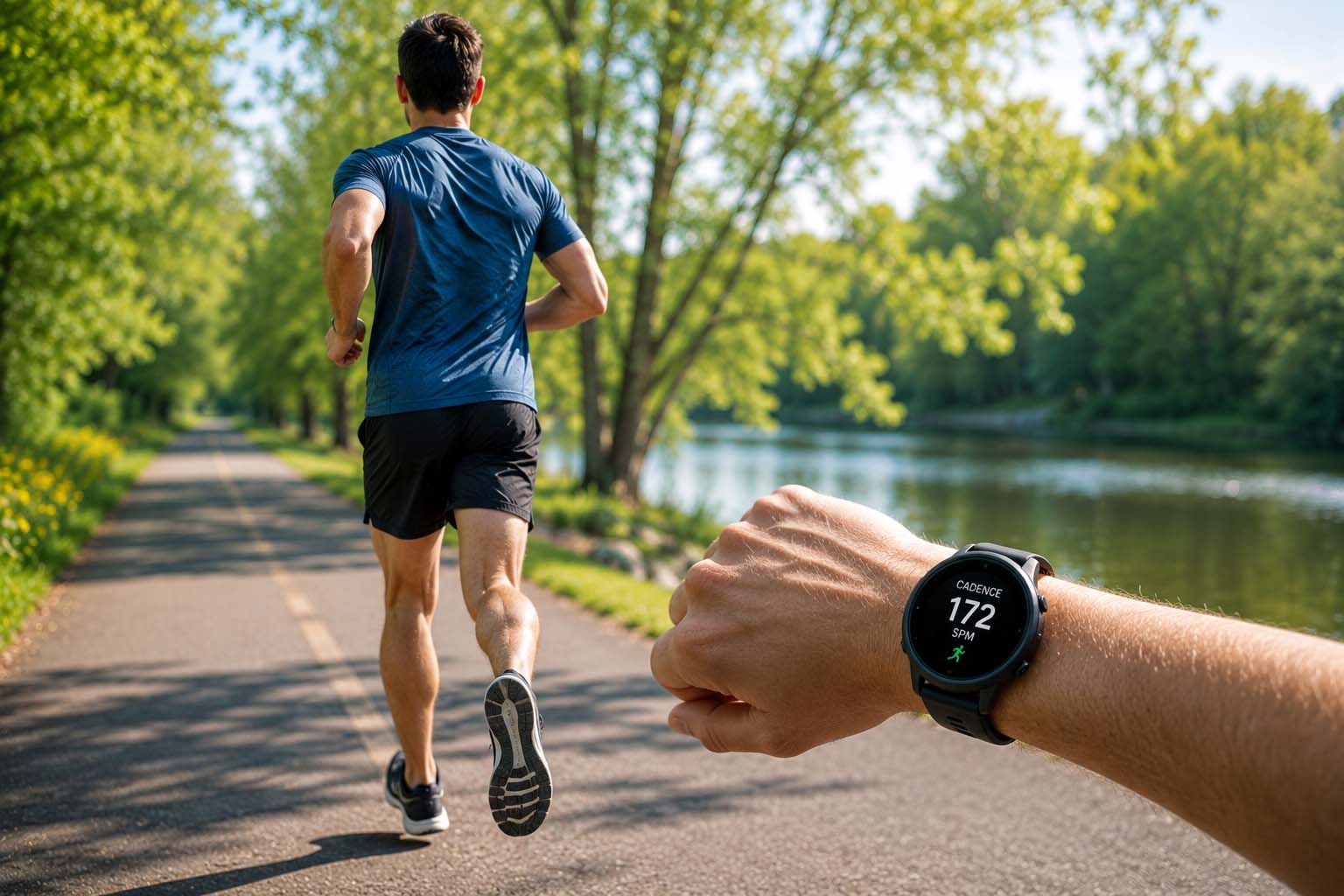
Cadence refers to the number of steps you take per minute while running.
Most fitness watches and running apps now track cadence automatically, making it easier than ever to monitor.
For example:
- A cadence of 160 means you take 160 steps per minute.
- A cadence of 170 means you take 170 steps per minute.
While there is no perfect number for every runner, cadence can provide valuable insights into running form and efficiency.
Why Cadence Is Important
Many runners in Clifton Park unknowingly overstride. This happens when your foot lands too far in front of your body.
Overstriding can:
- Reduce efficiency
- Increase braking forces
- Create additional stress on joints
- Contribute to injuries
A slightly quicker cadence often encourages shorter, more efficient strides.
The result?
Many runners experience smoother running and less impact on their knees and hips.
Signs Your Cadence May Be Too Low
You may benefit from improving cadence if:
- Your feet land noticeably in front of your body
- You feel excessive pounding during runs
- Your stride feels long and heavy
- You frequently experience knee discomfort
Many recreational runners naturally improve efficiency simply by making small cadence adjustments.
How to Measure Your Cadence
Most modern running watches display cadence automatically.
If you don’t have a watch, you can estimate it by:
- Counting steps from one foot for 30 seconds.
- Multiplying by four.
This gives you a rough cadence estimate.
How to Improve Cadence
One of the biggest mistakes runners make is trying to make dramatic changes all at once.
At Eric Gandler Running, the recommendation is usually to increase cadence gradually.
Try:
- Increasing cadence by 3–5%
- Shortening your stride slightly
- Focusing on quick, light steps
- Maintaining relaxed posture
Small changes often produce the best long-term results.
Spring Is a Great Time to Work on Form
Spring weather in Clifton Park provides ideal conditions for improving running mechanics.
The moderate temperatures allow runners to:
- Focus on technique
- Practice drills
- Build consistency
- Prepare for summer racing season
Rather than simply increasing mileage, spring can be the perfect opportunity to become a more efficient runner.
Cadence and Injury Prevention
One reason Eric Gandler encourages runners to pay attention to cadence is injury prevention.
Research has shown that modest increases in cadence may help reduce stress on:
- Knees
- Hips
- Ankles
While cadence alone won’t solve every issue, it can be a valuable tool as part of a complete training plan.
Don’t Obsess Over the Number
It’s important to remember that cadence is a tool—not a goal.
Every runner is different.
Factors that affect cadence include:
- Height
- Leg length
- Fitness level
- Running speed
- Terrain
Instead of chasing a specific number, focus on running comfortably and efficiently.
Learn More About Eric Gandler
For additional running tips and fitness resources from Eric Gandler, visit:
You can also find more training articles and running advice at:
https://ericgandlerrunning.com/
Final Thoughts
Many runners spend years focusing only on pace and mileage. Yet one of the easiest ways to improve efficiency may be paying attention to how frequently your feet contact the ground.
At Eric Gandler Running in Clifton Park, the goal is simple:
Run smarter, not just harder.
Improving cadence by even a small amount may help you become a stronger, more efficient, and more enjoyable runner.