By Eric Gandler
If you’ve ever laced up your shoes before sunrise in Clifton Park, you know something most people miss:
This town has a rhythm.
As someone who has logged hundreds of miles through Clifton and Park trails alike, I’ve learned that great running isn’t just about pace or mileage — it’s about understanding your environment, your body, and the patterns that keep you consistent.
Whether you’re training for a 5K, building endurance, or just running to clear your head, here’s a practical guide to becoming a stronger, smarter runner right here in Clifton Park.
1. Use the Terrain of Clifton Park to Your Advantage
Clifton Park offers more variety than people realize.
-
Smooth neighborhood loops for tempo runs
-
Wooded trails for strength and stability
-
Open park paths for speed work
-
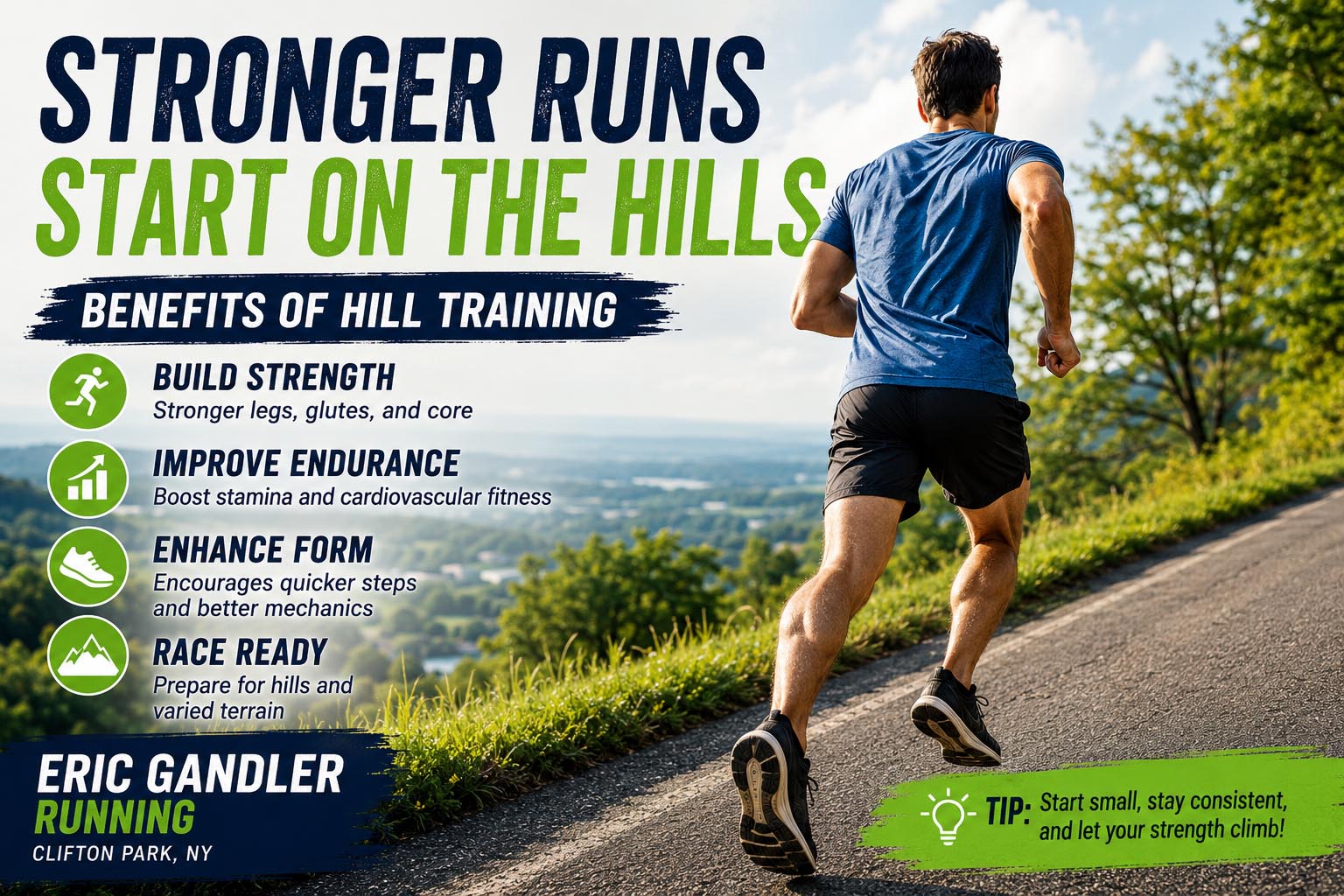
Rolling hills that quietly build endurance
Instead of running the same flat route every day, rotate surfaces and elevation. Hills build power. Trails improve balance. Pavement sharpens pace.
If you’re serious about improving, treat Clifton Park like your training lab.
2. Build Rhythm Before You Build Speed
Many runners chase pace too early.
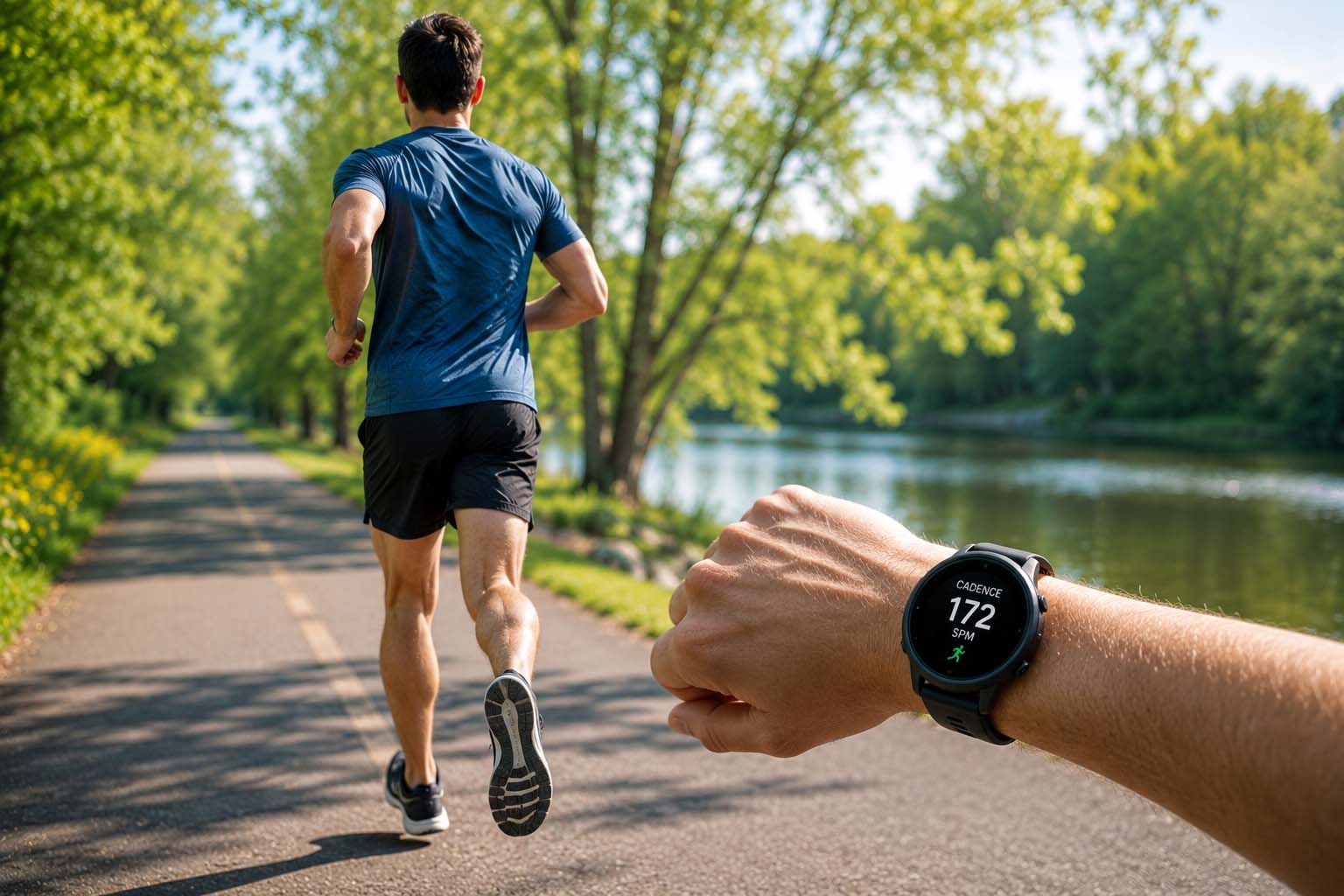
The real breakthrough comes when you develop rhythm — steady breathing, relaxed shoulders, controlled stride. Once your rhythm is automatic, speed becomes easier and safer.
Try this simple rhythm drill on your next run in Clifton:
-
Inhale for 3 steps
-
Exhale for 2 steps
-
Keep your shoulders relaxed
-
Let your arms swing naturally
When your breathing matches your stride, you stop fighting the run.
And that’s when everything changes.
3. Seasonal Strategy: Running in Clifton Park Year-Round
One of the unique challenges of Clifton Park running is the seasonal swing.
Fall: Ideal temps, but watch for wet leaves on trails.
Winter: Layer properly and shorten stride on icy mornings.
Spring: Mud season means trail caution — consider road loops.
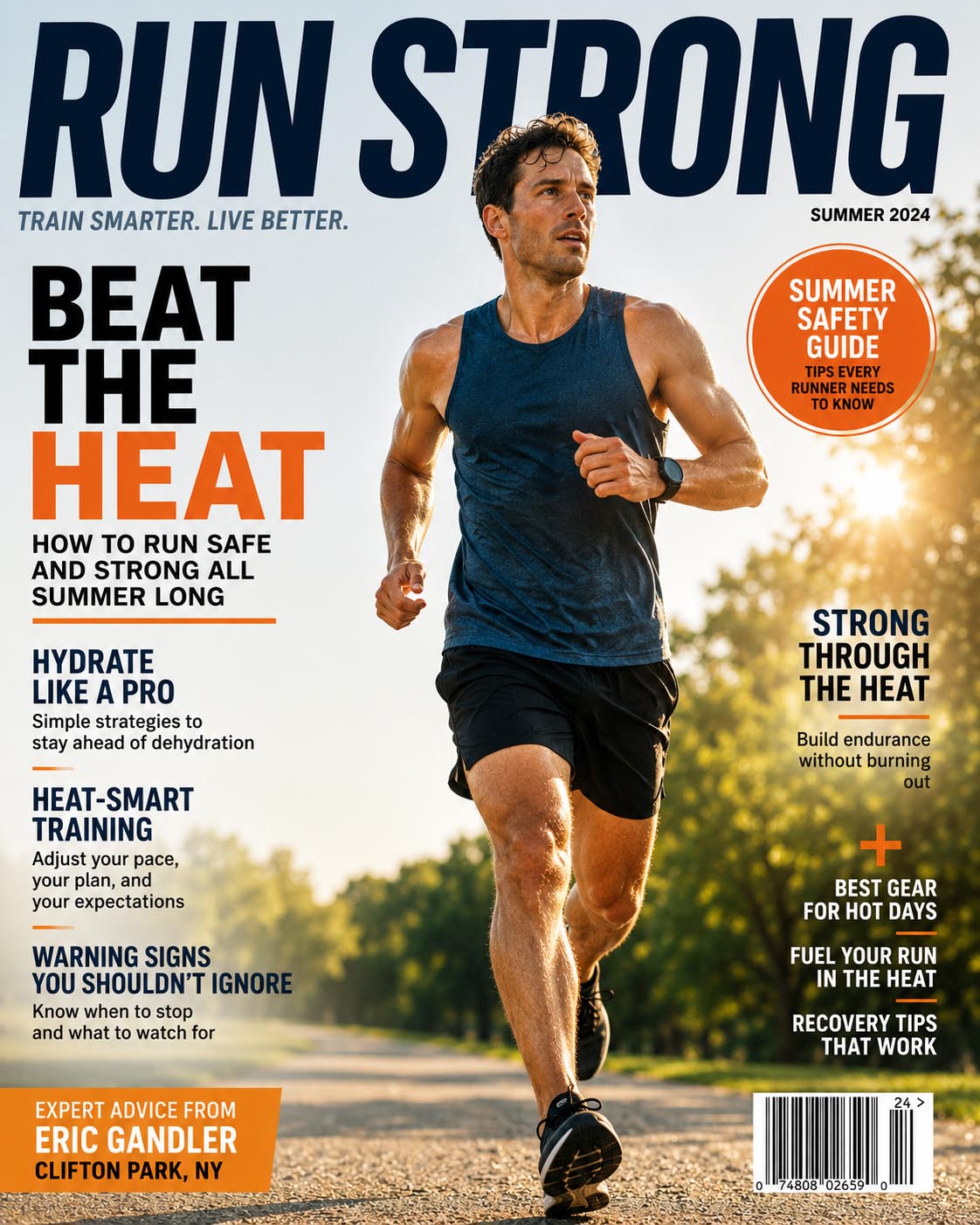
Summer: Early morning runs are your best friend.
Adapting to the Park’s seasons keeps you consistent — and consistency beats intensity every time.
4. Recovery Is Where Real Gains Happen
Eric Gandler rule #1 for runners: Progress happens between runs.
Clifton Park has plenty of quiet spots perfect for recovery walks or mobility sessions. After a tough effort:
-
Hydrate immediately
-
Stretch calves and hip flexors
-
Walk 5–10 minutes to lower heart rate
-
Get quality sleep
If you skip recovery, you plateau. If you respect recovery, you improve.
5. The Mental Edge: Why Running in Clifton Park Clears Your Head
There’s something about the open skies, tree-lined paths, and still mornings in Clifton that resets your mind.
Running isn’t just cardio. It’s clarity.
Some of the best decisions I’ve made happened mid-run — not at a desk.
When you settle into stride and let the rhythm of the Park take over, your thoughts organize themselves.
That’s not an accident. That’s movement therapy.
6. Sample Weekly Training Plan (Beginner to Intermediate)
If you’re building toward a race in Clifton Park, here’s a balanced structure:
Monday: Easy 3–4 miles
Tuesday: Hill repeats (short, controlled efforts)
Wednesday: Rest or light cross-training
Thursday: Tempo run (comfortably hard pace)
Friday: Rest
Saturday: Long slow distance
Sunday: Recovery jog or walk
The key is balance — not crushing every run.
7. Community Matters
Running alone builds discipline.
Running with others builds momentum.
Clifton Park has an active running community. Even informal neighborhood groups can push you to stay accountable.
If you’re feeling stuck, don’t change your shoes — change your circle.
Final Thought from Eric Gandler
You don’t need a mountain range to become a better runner.
You need consistency.
You need rhythm.
You need a place that keeps you coming back.
For many of us, that place is Clifton Park.
So tomorrow morning, before the town fully wakes up, step outside. Listen to the quiet hum of the Park. Find your pace.
And let your stride match the rhythm.